![Adeleh Beauty LOGO02-01 [Recovered]-04.png](https://static.wixstatic.com/media/e802b3_04f9a29dc0ca4dcbaf6c85bedfb17afd~mv2.png/v1/fill/w_133,h_123,al_c,q_85,usm_0.66_1.00_0.01,enc_avif,quality_auto/Adeleh%20Beauty%20LOGO02-01%20%5BRecovered%5D-04.png)
Mastering Microblading Techniques for Perfect Eyebrows
Updated: Jul 19
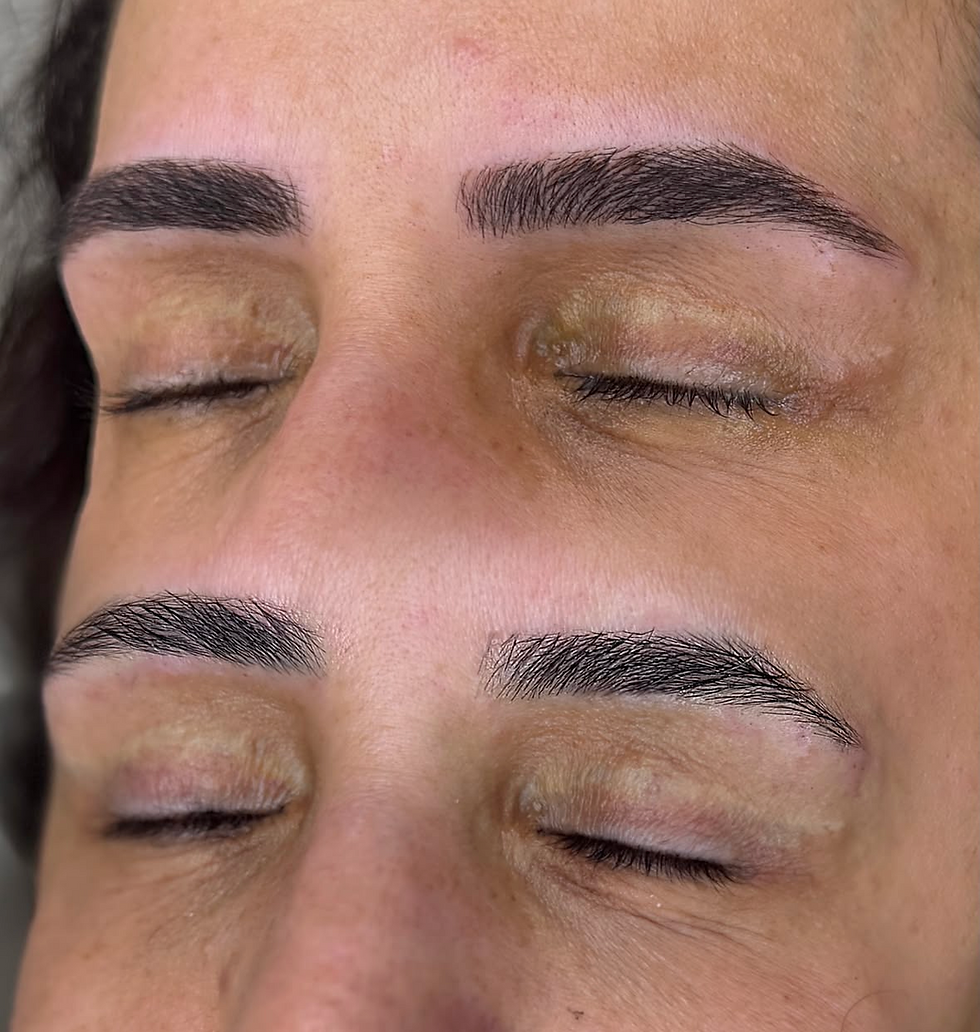
Microblading has taken the beauty world by storm, offering a semi-permanent solution for achieving perfectly shaped eyebrows. This technique involves using a handheld tool to deposit pigment into the skin, creating hair-like strokes that mimic natural eyebrow hairs. If you're looking to enhance your skills or start your journey in microblading, this guide will provide you with essential techniques, tips, and insights to master the art of microblading.

Understanding Microblading
Microblading is not just about filling in eyebrows; it's an art form that requires precision, creativity, and a deep understanding of facial anatomy. Before diving into techniques, it's crucial to understand the fundamentals of microblading.
What is Microblading?
Microblading is a semi-permanent tattooing technique that uses a small blade to create fine, hair-like strokes in the skin. The results can last anywhere from one to three years, depending on skin type, aftercare, and the pigments used.
Benefits of Microblading
Natural Appearance: Microblading creates realistic-looking eyebrows that enhance your natural beauty.
Time-Saving: Say goodbye to daily eyebrow makeup routines.
Customizable: Each microblading session can be tailored to suit individual preferences and facial features.
Preparing for Microblading
Preparation is key to achieving the best results. Here are some steps to follow before your microblading session:
Research and Choose a Qualified Artist
Finding a skilled microblading artist is crucial. Look for someone with a strong portfolio, positive reviews, and proper certifications. Don't hesitate to ask questions about their techniques and experience.
Consultation
Schedule a consultation with your chosen artist. This is an opportunity to discuss your desired eyebrow shape, color, and any concerns you may have. A professional will assess your facial structure and recommend the best approach.
Skin Preparation
Before your appointment, avoid blood thinners such as alcohol, caffeine, and certain medications. This will help minimize bleeding during the procedure and ensure better pigment retention.
Mastering Microblading Techniques
Once you're prepared, it's time to delve into the techniques that will help you achieve perfect eyebrows.
1. Mapping the Eyebrows
Mapping is a crucial step in microblading. It involves outlining the desired shape of the eyebrows before any pigment is applied. Here’s how to do it:
Determine the Starting Point: Use a straight edge to find the point where the brow should start, typically aligned with the inner corner of the eye.
Find the Arch: Measure the highest point of the arch, usually above the outer edge of the iris.
Identify the Tail: The tail should end at a point that aligns with the outer corner of the eye.
2. Choosing the Right Pigment
Selecting the right pigment is essential for achieving natural-looking results. Consider the following:
Skin Undertone: Choose a pigment that complements the client's skin tone. For warm undertones, opt for golden or reddish shades. For cool undertones, select ash or taupe colors.
Hair Color: The pigment should also match the client's natural hair color for a cohesive look.
3. The Microblading Process
The actual microblading process involves several steps:
Numbing: Apply a topical anesthetic to minimize discomfort.
Blade Technique: Use a microblading tool to create fine strokes, following the mapped outline. Maintain a steady hand and consistent pressure for even results.
Layering: Apply multiple layers of pigment to achieve the desired intensity and longevity.
4. Aftercare
Proper aftercare is vital for the healing process and the longevity of the microbladed eyebrows. Here are some essential aftercare tips:
Avoid Water: Keep the area dry for at least a week after the procedure.
No Makeup: Refrain from applying makeup on the brows for at least two weeks.
Moisturize: Use a recommended ointment to keep the area hydrated.
Common Mistakes to Avoid
Even experienced artists can make mistakes. Here are some common pitfalls to watch out for:
Overly Dark Pigments: Choosing a pigment that is too dark can lead to an unnatural appearance. Always start with a lighter shade and build up if necessary.
Inconsistent Strokes: Ensure that the strokes are consistent in length and width for a more natural look.
Neglecting Skin Type: Different skin types require different techniques. Oily skin may need a different approach than dry skin.
Conclusion
Mastering microblading techniques takes practice, patience, and a commitment to continuous learning. By understanding the fundamentals, preparing adequately, and honing your skills, you can create beautiful, natural-looking eyebrows that enhance your clients' features. Remember, the key to success in microblading lies in attention to detail and a passion for the art.
As you embark on your microblading journey, keep refining your techniques, stay updated with the latest trends, and most importantly, enjoy the process of transforming brows into stunning works of art.


Comments